



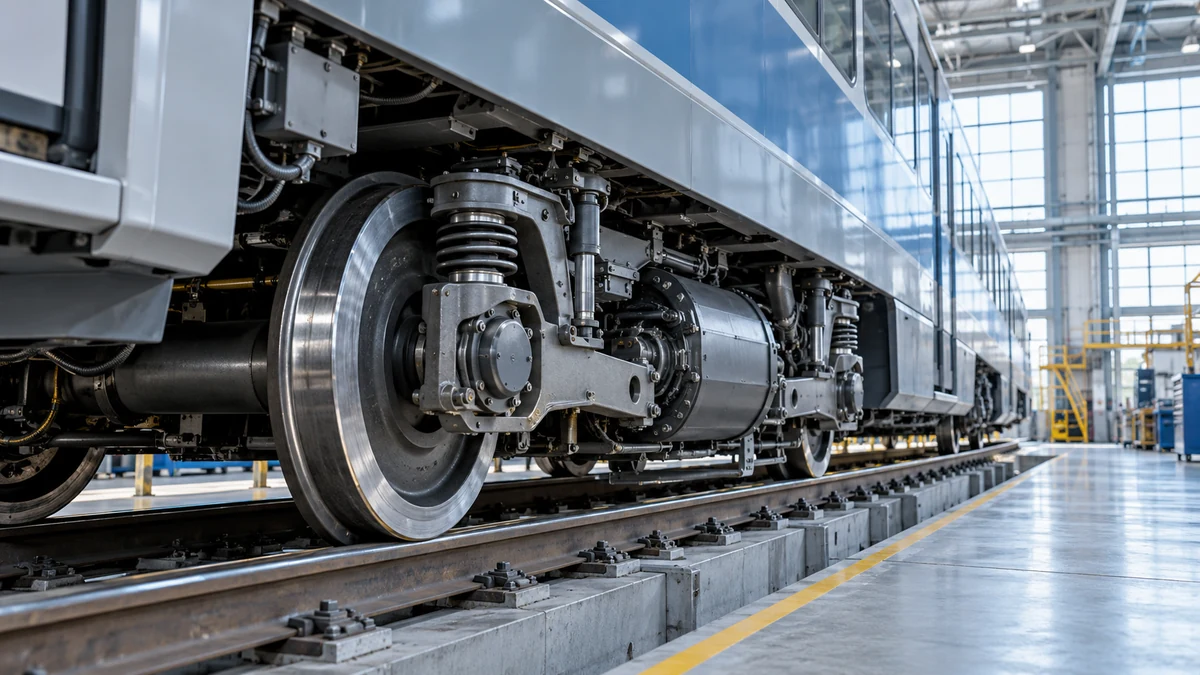
A rail traction system includes the traction converter, motors, braking and auxiliary supplies. The current at each measuring point has different characteristics, so the measurement solution cannot simply be copied from one point to another.
Traction and braking
Traction conditions focus on traction current and switching waveforms, while braking may involve energy recovery and reverse current. Confirm current direction, peak and duration before selecting a sensor and range.
Auxiliary supplies and harmonics
Current in auxiliary supplies and filtering stages may contain higher-frequency components. Bandwidth and sample rate should cover the harmonics and transients of interest, while avoiding the mistake of treating switching noise as the signal.
Installation and maintenance
Installation space, insulation distance and vibration conditions must be considered for onboard or station equipment. Sensor fixing, cable routing and grounding should allow maintenance and be recorded.
Include operating conditions, measuring points and maintenance constraints in the selection so the traction measurement remains usable over time.
Need to discuss a measurement setup?
Tell us the measurement target, range and existing equipment so we can review the chain for the actual task.
Continue reading
Technical documents
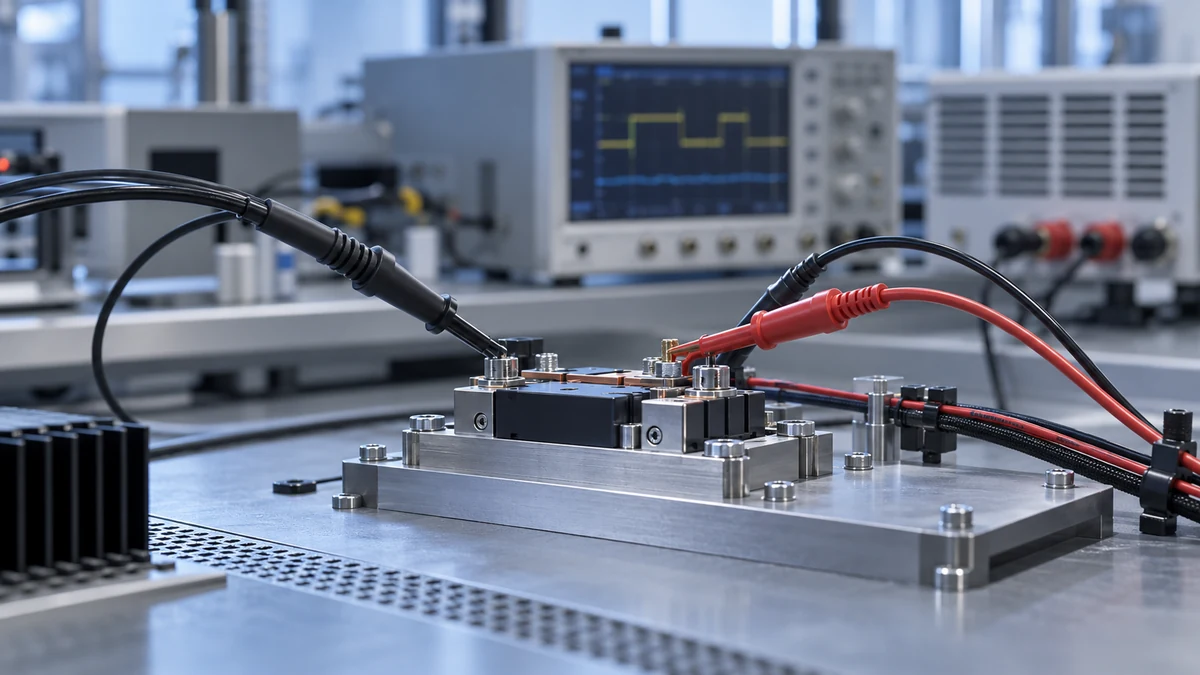
Wide-Bandgap Switching Tests: Three Limits of the Measurement Chain
Technical documents