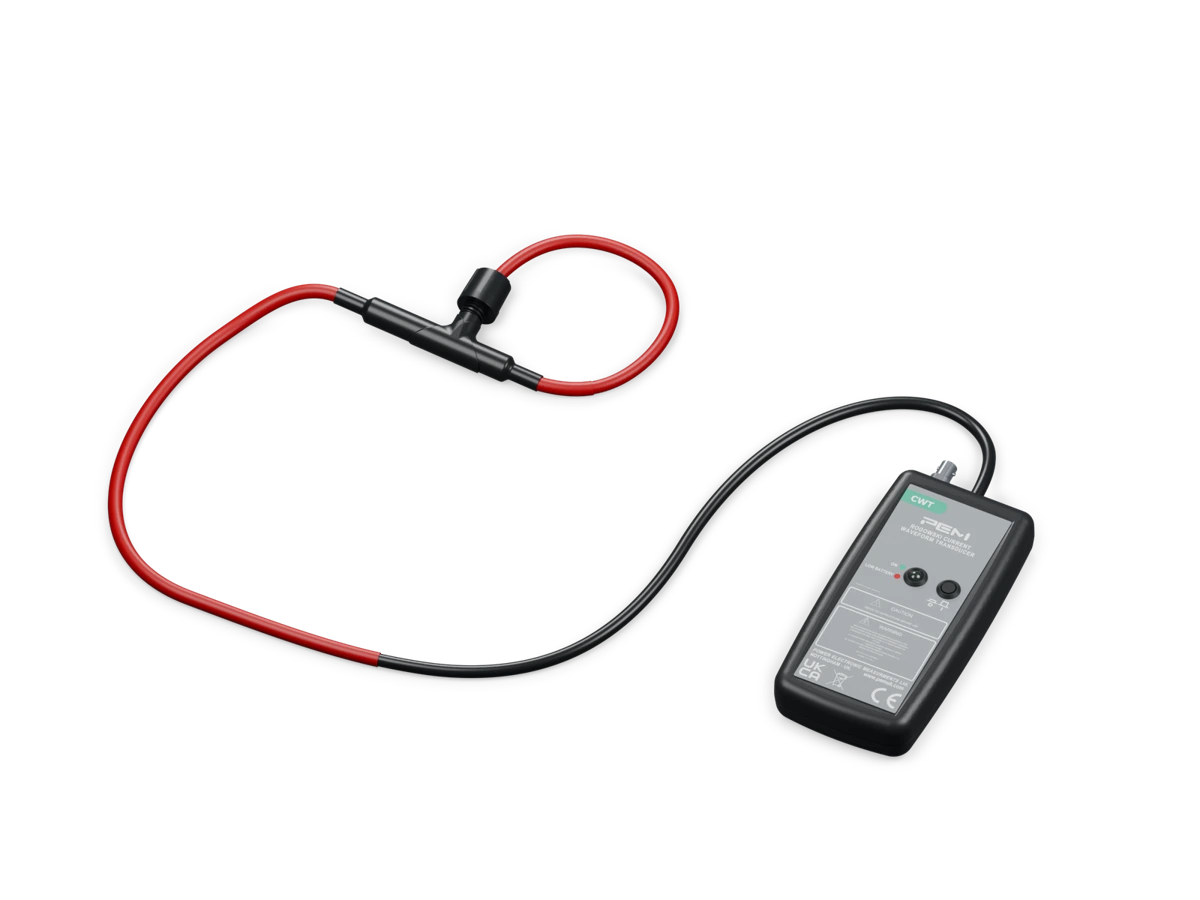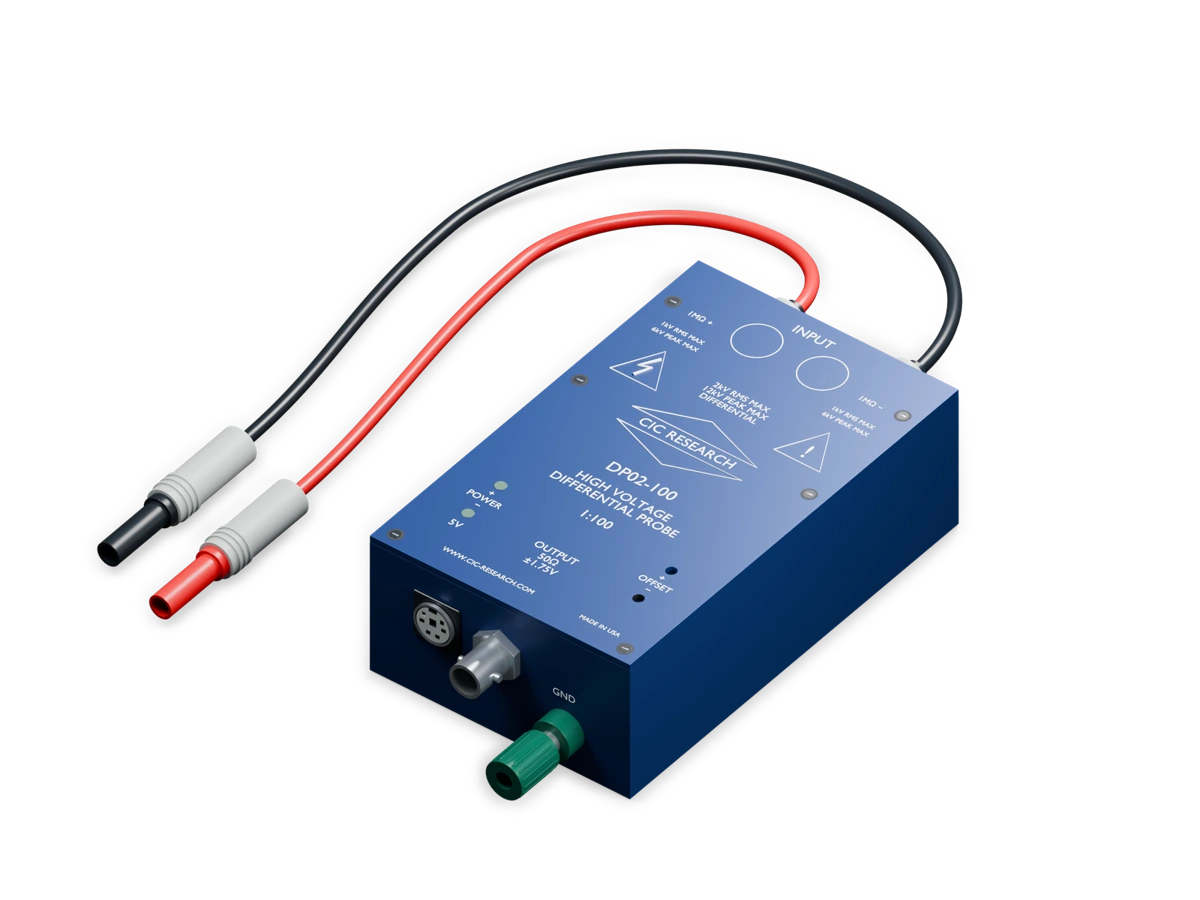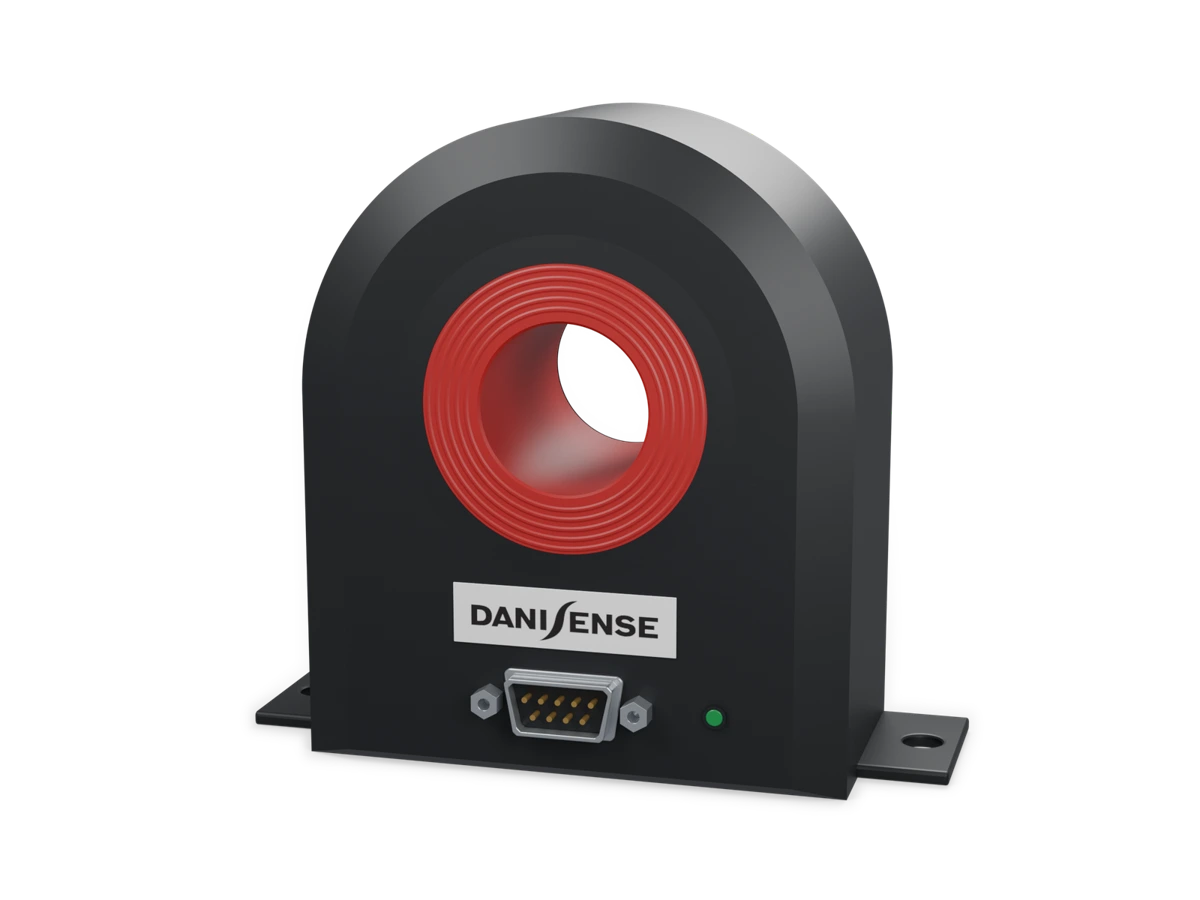
The output form and load conditions of a zero-flux current sensor directly affect how it connects to the acquisition equipment. Current and voltage outputs are not inherently better or worse; the match to the whole chain is what matters.
Current and voltage outputs
A current output can suit longer cables, but its permitted load range must be confirmed. A voltage output is easier to connect to an acquisition input, but output impedance, loading and ground loops still matter. The same connector does not imply compatible electrical conditions.
Load and supply
Check the supply form, permitted ripple and isolation requirements against the documentation. A change in output load alters the signal relationship, and long cables or noisy environments can add further error.
Interface units and acquisition
When a matching interface unit is used, confirm the sensor models, supply and output range it supports, and include the conversion stage in the chain. Check acquisition range, common-mode conditions and sample rate as well.
Output form belongs to the chain design; it should not be left until the wiring stage.
Need to discuss a measurement setup?
Tell us the measurement target, range and existing equipment so we can review the chain for the actual task.