Measurement task
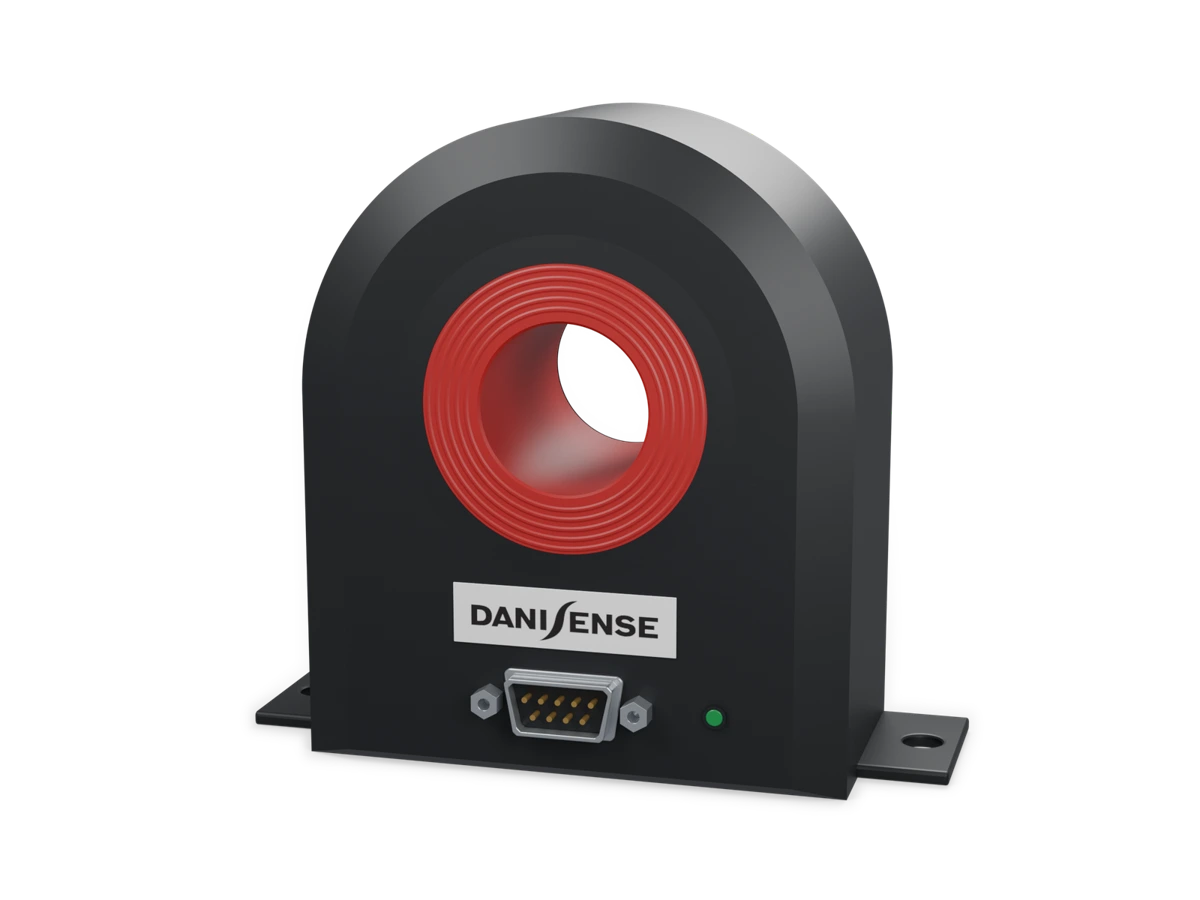
Current sensor calibration requires the measurement range, signal form, output type and basis of comparison to be defined. DC, power-frequency and pulsed conditions represent different tasks. Differences between the reference chain and the sensor under calibration should also be recorded. Calibration results must be associated with specific conditions rather than quoted as an accuracy figure without context.
Selection considerations
Consider linearity, offset, drift and repeatability, together with the effects of reference equipment, power supply and acquisition inputs. AC tasks also require amplitude and phase response assessment. This page provides a starting point for discussing product and chain selection; product accuracy is not equivalent to the uncertainty of a complete system or to calibration accreditation.
Reference chain and sensor under calibration
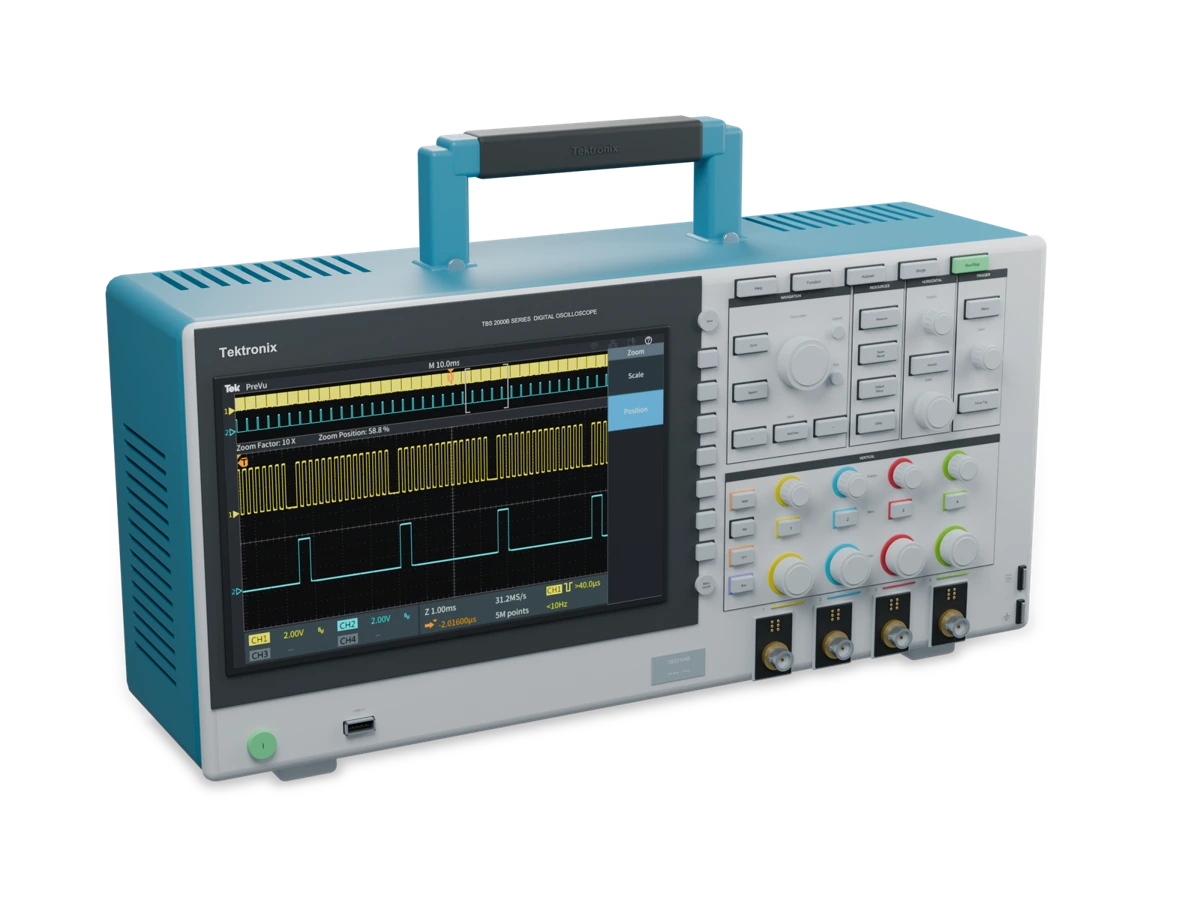
The sensor output must correspond to a defined reference quantity. In addition to the ratio at different current points, zero offset, repeatability and environmental changes can affect the comparison. AC calibration may also involve phase response. Assess the reference sensor, output conversion and acquisition equipment as one chain; a product’s stated accuracy cannot replace the uncertainty of a calibration result.